DEPRESSION

Depression
Management of Major Depressive Disorder: Pharmacotherapy
Adapted from: Lam RW, Kennedy SH, Grigoriadis S, et al. Canadian Network for Mood and Anxiety Treatments (CANMAT) clinical guidelines for the management of major depressive disorder in adults. III. Pharmacotherapy. J Affect Disord 2009;117 (suppl 1):S26-43.
OVERVIEW
The principles behind pharmacotherapy management for major depressive disorder are similar to those for other treatment modalities (see Key Points, following), but patient adherence to treatment is a particular challenge and is given particular attention in these guidelines. Rates of early discontinuation are high, generally because of lack of response, stigma associated with having a psychiatric illness, and side effects. Finding ways to optimize adherence to treatment when prescribing antidepressants is essential and should incorporate education and self-management strategies for patients and collaborative care systems for practitioners.
KEY POINTS
KEY POINTS
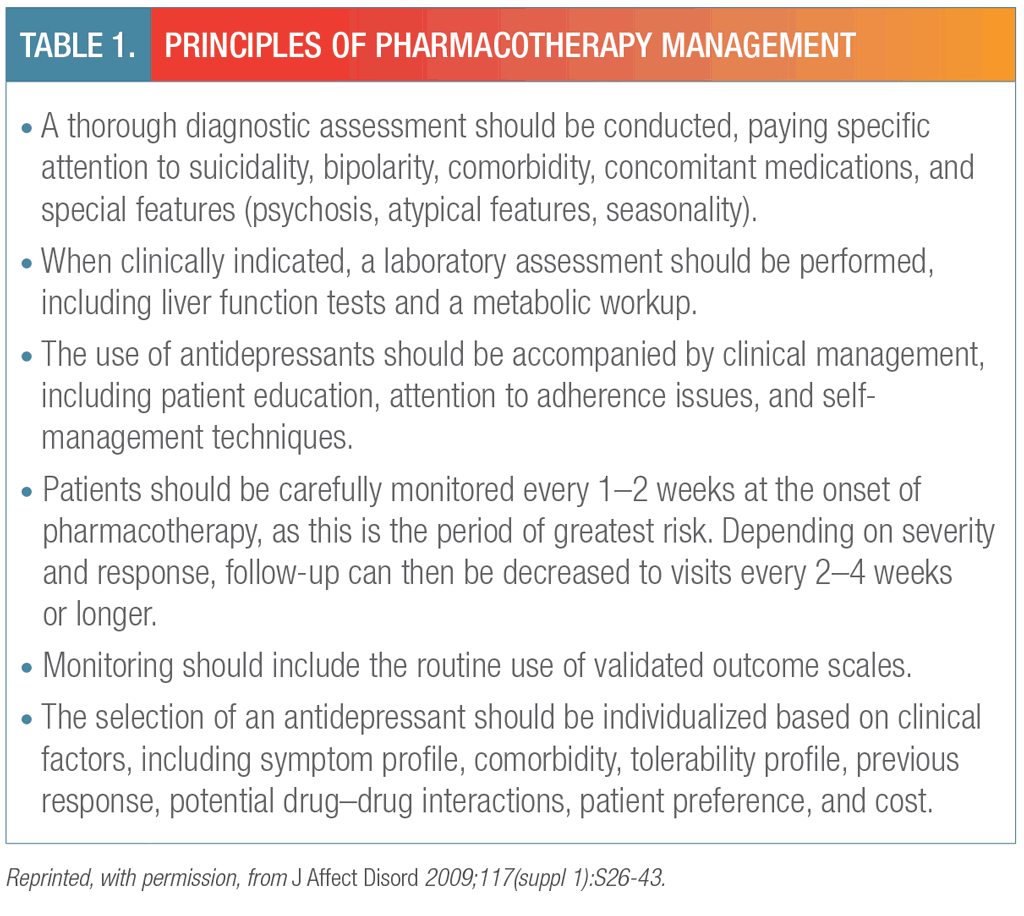
CHOOSING A FIRST-LINE ANTIDEPRESSANT
CHOOSING A FIRST-LINE ANTIDEPRESSANT
The results of an individual assessment, tolerability, patient preference, and cost all must be taken into account when selecting a first-line medication. Selective serotonin reuptake inhibitors (SSRIs), serotonin and noradrenaline reuptake inhibitors (SNRIs), and newer agents have better safety and tolerability profiles than older medications such as tricyclic antidepressants (TCAs) and monoamine oxidase (MAO) inhibitors, which are recommended second-line. Other second-line agents include trazodone and quetiapine.
Table 2.
TABLE 2. SUMMARY INFORMATION FOR ANTIDEPRESSANTS

Factors influencing the choice of first-line antidepressant
Factors influencing the choice of first-line antidepressant
Side effects
Common side effects depend on the antidepressant chosen, but may include the following:
- Gastrointestinal (GI) side effects (e.g., nausea, diarrhea).
- Central nervous system side effects (e.g., headache, insomnia, sedation, nervousness, and tremor).
- Metabolic side effects (e.g., appetite stimulation, weight gain, disturbances in the lipid milieu, glucose homeostasis).
- Other adverse events:
- Alterations in heart rate and blood pressure.
- Elevation of liver enzymes.
- Withdrawal symptoms (with abrupt discontinuation, dose reduction or tapering).
Side-effect management may be an option for patients who have achieved a response with a particular antidepressant but continue to be troubled by side effects.
Potential serious adverse effects
Potential serious adverse effects
- Possible emergent suicidality in children and adolescents (see Table 9).
- Rarely, serotonin syndrome or neuroleptic malignant syndrome-like events (if SSRIs/SNRIs are co-prescribed with MAO inhibitors or other serotonergic agents).
- Possible increased risk of upper GI bleeding with SSRIs, especially in combination with NSAIDs.
- Possible increased risk of osteoporosis and fractures in the elderly with SSRIs.
- Hyponatremia and agranulocytosis in a small percentage of patients.
- Increased risk of seizures with TCAs at therapeutic doses.
Drug–drug interactions
Drug–drug interactions
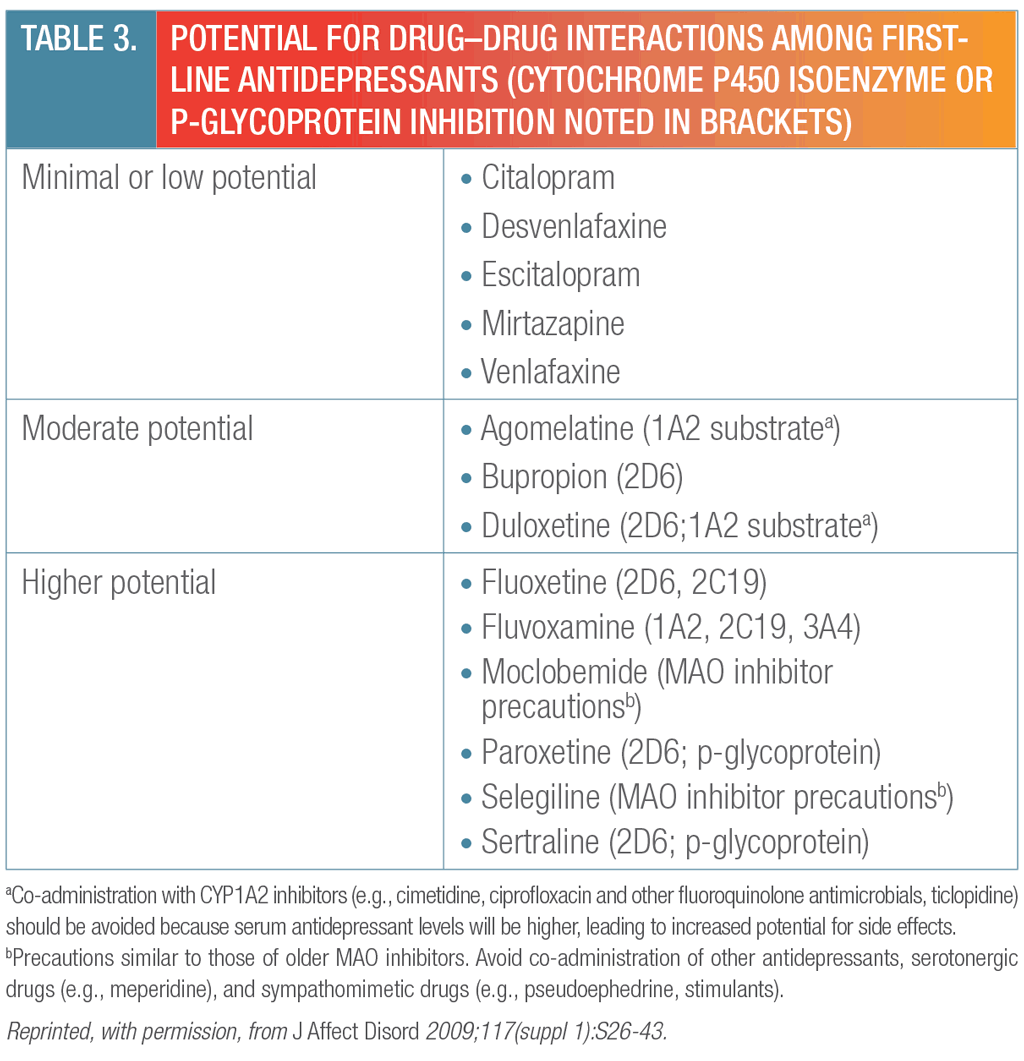
Polypharmacy is common in patients with MDD. Most of the drug interactions with antidepressants involve the cytochrome P450 (CYP) enzyme metabolic pathway or p-glycoprotein, a membrane transporter.
Table 3.
TABLE 3. POTENTIAL FOR DRUG–DRUG INTERACTIONS AMONG FIRSTLINE ANTIDEPRESSANTS
Sexual dysfunction
Sexual dysfunction
Many antidepressants also disturb sexual function. Dose reduction, if possible, is sometimes beneficial. Many patients will require a switch to another antidepressant with a lower propensity to cause sexual dysfunction, including agomelatine, bupropion, mirtazapine, moclobemide, and selegiline transdermal.
Other factors
Other factors
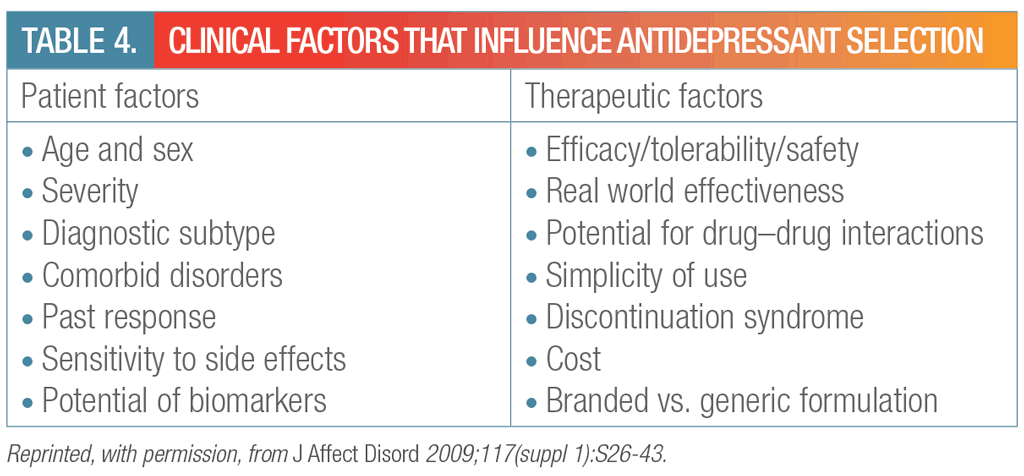
Other clinical factors that should influence antidepressant selection are shown in Table 4.
Table 4.
TABLE 4. CLINICAL FACTORS THAT INFLUENCE ANTIDEPRESSANT SELECTION
Summary
Summary
Table 5.
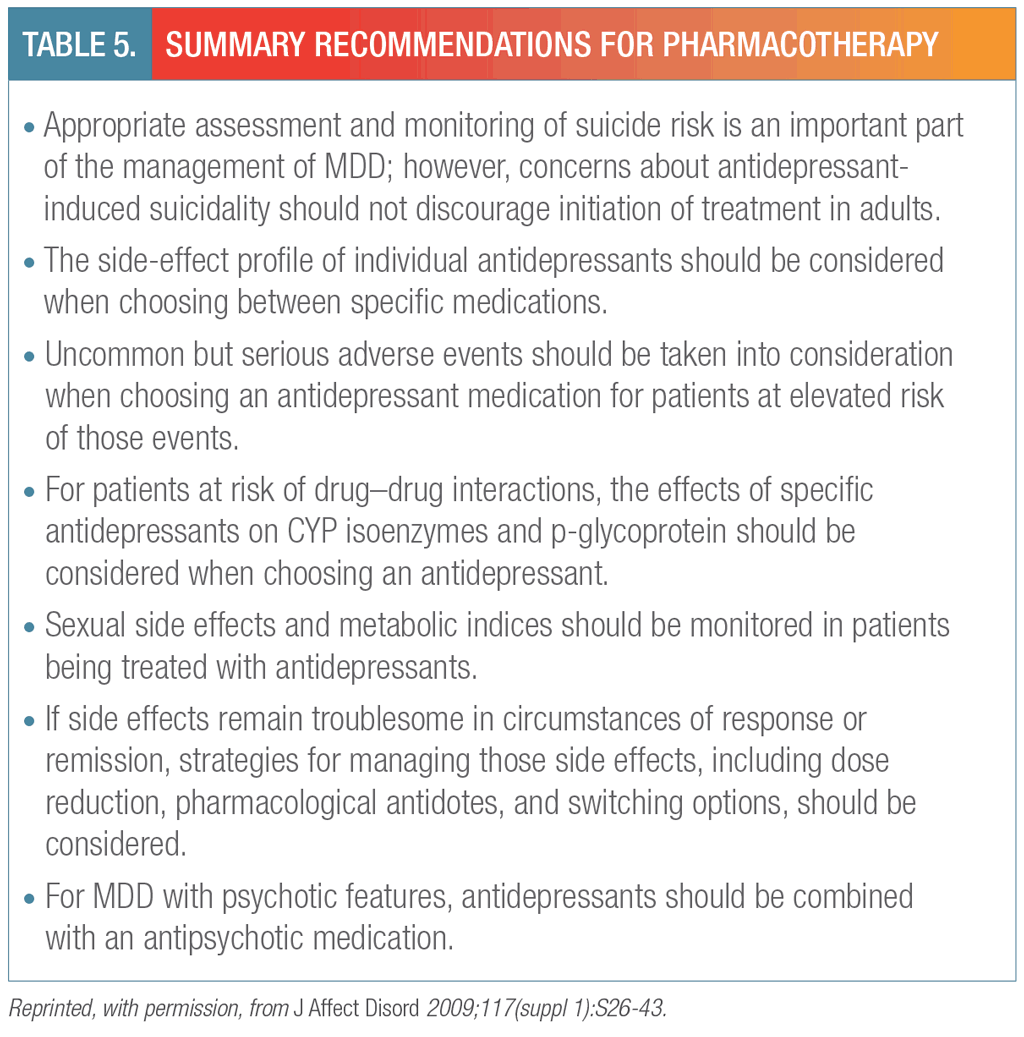
TABLE 5. SUMMARY RECOMMENDATIONS FOR PHARMACOTHERAPY
Managing non-response or incomplete response
Managing non-response or incomplete response
Figure 1.
FIGURE 1. ALGORITHM FOR MANAGING LIMITED IMPROVEMENT WITH A FIRST-LINE ANTIDEPRESSANT

Table 6.
TABLE 6. RECOMMENDATIONS FOR NON-RESPONSE AND INCOMPLETE RESPONSE TO AN INITIAL ANTIDEPRESSANT
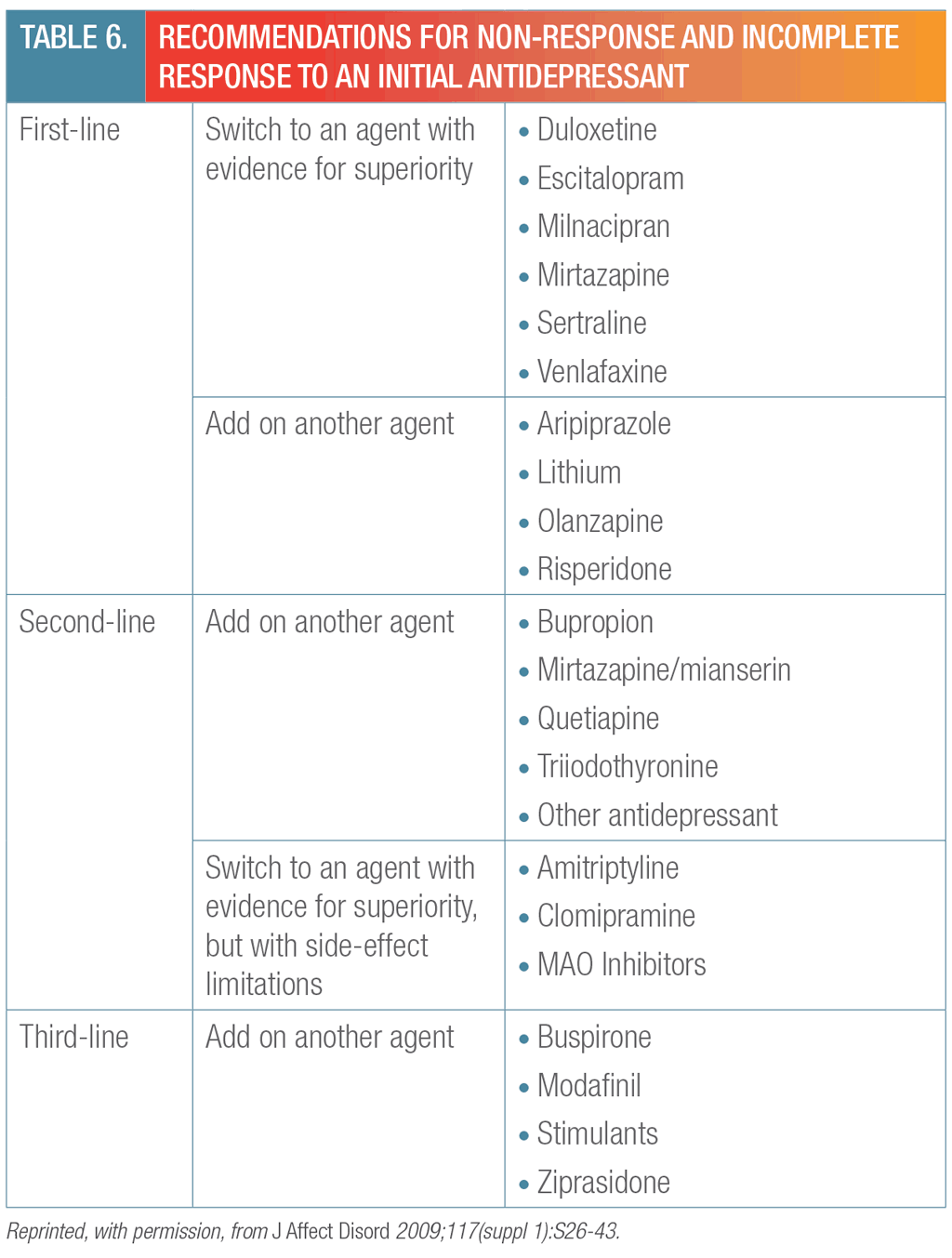
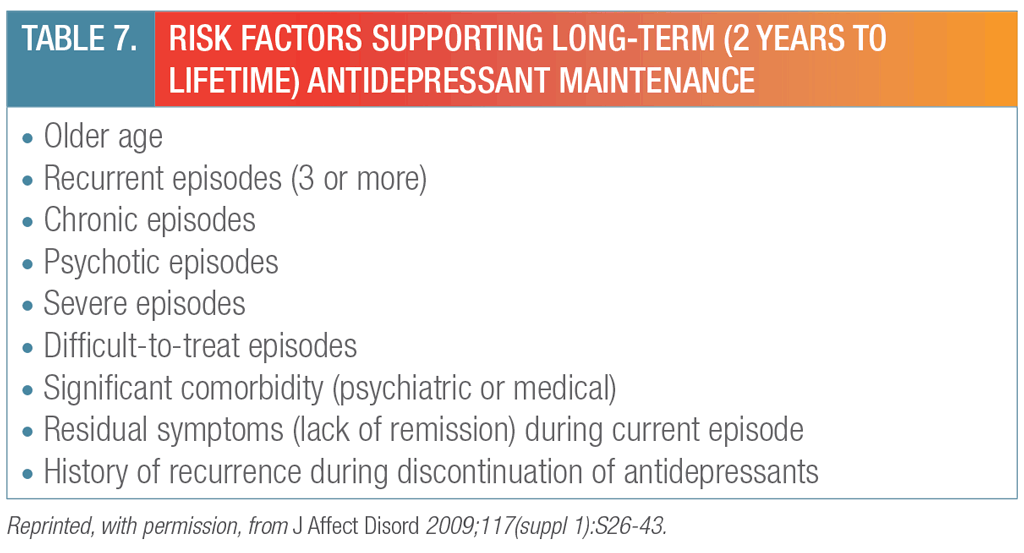
Table 7.
TABLE 7. RISK FACTORS SUPPORTING LONG-TERM (2 YEARS TO LIFETIME) ANTIDEPRESSANT MAINTENANCE
Special populations
Special populations
Below are recommendations for pharmacotherapy of MDD in pregnant/nursing women, and in youth.
Table 8.
TABLE 8. RECOMMENDATIONS FOR PHARMACOTHERAPY OF MDD IN PREGNANCY AND POSTPARTUM
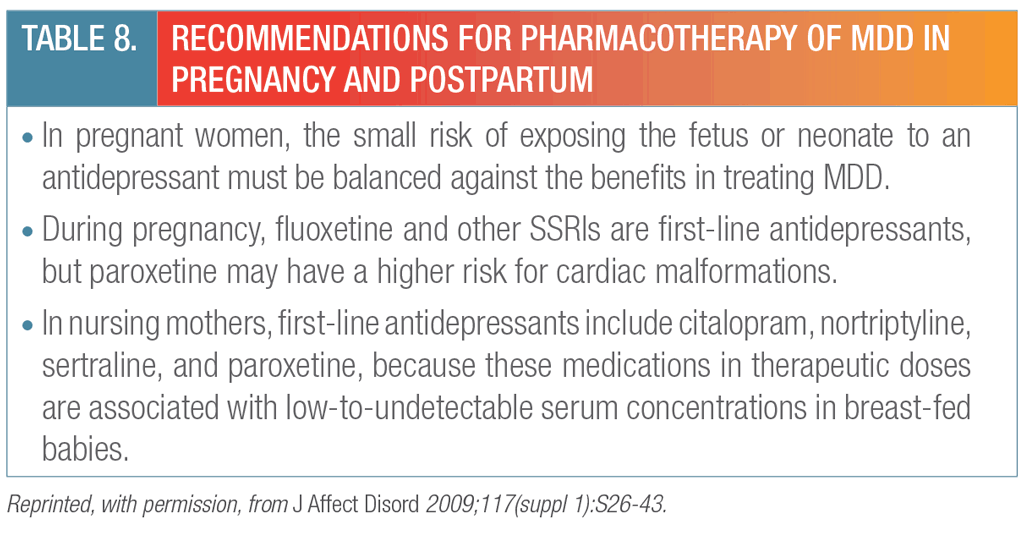
Table 9.
TABLE 9. RECOMMENDATIONS FOR PHARMACOTHERAPY IN YOUTH WITH MDD

CONCLUSION
CONCLUSION
All second-generation antidepressants have demonstrated efficacy and tolerability, and most can be considered first-line treatments for MDD. First-generation tricyclic and monoamine oxidase inhibitor antidepressants should be used as second- or third-line treatments. Switching therapies or add-on therapies may be considered, if patients experience inadequate or incomplete response.
Full guidelines
Full guidelines
The preceding material represents a summary of the CANMAT guidelines for the management of major depressive disorder. Clinicians are encouraged to consult the complete document (see Lam RW, Kennedy SH, Grigoriadis S, et al. Canadian Network for Mood and Anxiety Treatments (CANMAT) clinical guidelines for the management of major depressive disorder in adults. III. Pharmacotherapy. J Affect Disord. 2009;117(suppl 1):S26-43).