DYSLIPIDEMIA

DYSLIPIDEMIA
Diagnosis and Treatment of Dyslipidemia
Adapted from: Genest J, McPherson R, Frohlich J, et al. 2009 Canadian Cardiovascular Society/Canadian guidelines for the diagnosis and treatment of dyslipidemia and prevention of cardiovascular disease in the adult – 2009 recommendations. Can J Cardiol 2009;25(10):567-79; Anderson TJ, Grégoire J, et al. Update of the guidelines for the diagnosis and treatment of dyslipidemia for the prevention of cardiovascular disease in the adult. Can J Cardiol 2013;29:151-67.
OVERVIEW
Although improved control of risk factors has produced a decrease in cardiac mortality over the past several decades, cardiovascular disease (CVD) continues to cause one-third of all deaths in Canada. The prevalence of CVD is expected to increase in the next few years, as a result of an aging and increasingly sedentary population with a high prevalence of obesity and diabetes. Risk factor reduction is a potent preventive measure. For example, meta-analysis of statin trials shows that for each 1.0 mmol/L decrease in low-density lipoprotein cholesterol (LDL-C), there is a 20 to 25% risk reduction in the relative risk of myocardial infarction and deaths from coronary heart disease. In secondary prevention, patients who have LDL-C <2.0 mmol/L have the lowest risk of recurrent CVD.
These guidelines are designed to present the major principles of screening, risk stratification, and therapy for dyslipidemia and CVD prevention in primary and secondary care. The screening guidelines emphasize the established risk factors – e.g., smoking, hypertension, diabetes, and obesity – but also focus on the importance of assessing and addressing risk in specific populations, including patients with a family history of premature cardiac events and those with chronic kidney or autoimmune inflammatory diseases or HIV infection. A careful evaluation using the Framingham Risk Score (FRS) and other calculators or tests can help delineate CVD risk for individual patients.
The latest guidelines do not alter LDL-C targets established in the 2009 document. However, non-HDL-C as well as apo B may be considered as an alternative target. The new guidelines also make recommendations for secondary risk screening tests in selected patients, lower the age of treatment for patients with diabetes, and expand earlier recommendations for a healthy diet. To ensure they are easy to follow, the recommendations for dyslipidemia treatment were harmonized with those of the major Canadian authorities of CVD prevention.
KEY POINTS
KEY POINTS

SCREENING
SCREENINGS
Although there are numerous new potential markers of risk, the established CVD risk factors remain the priorities for screening and treatment as appropriate. Table 1 lists patients who are candidates for screening.
Screening involves a full-fasting lipid profile (total cholesterol, triglycerides, LDL-C, HDL-C) and other investigations as indicated by the patient's clinical situation. Screening of lipids should take place every 1 to 3 years in all men aged >40 and women who are aged >50 or postmenopausal. More frequent assessment is required for individuals in whom abnormalities are detected or treatment is initiated.
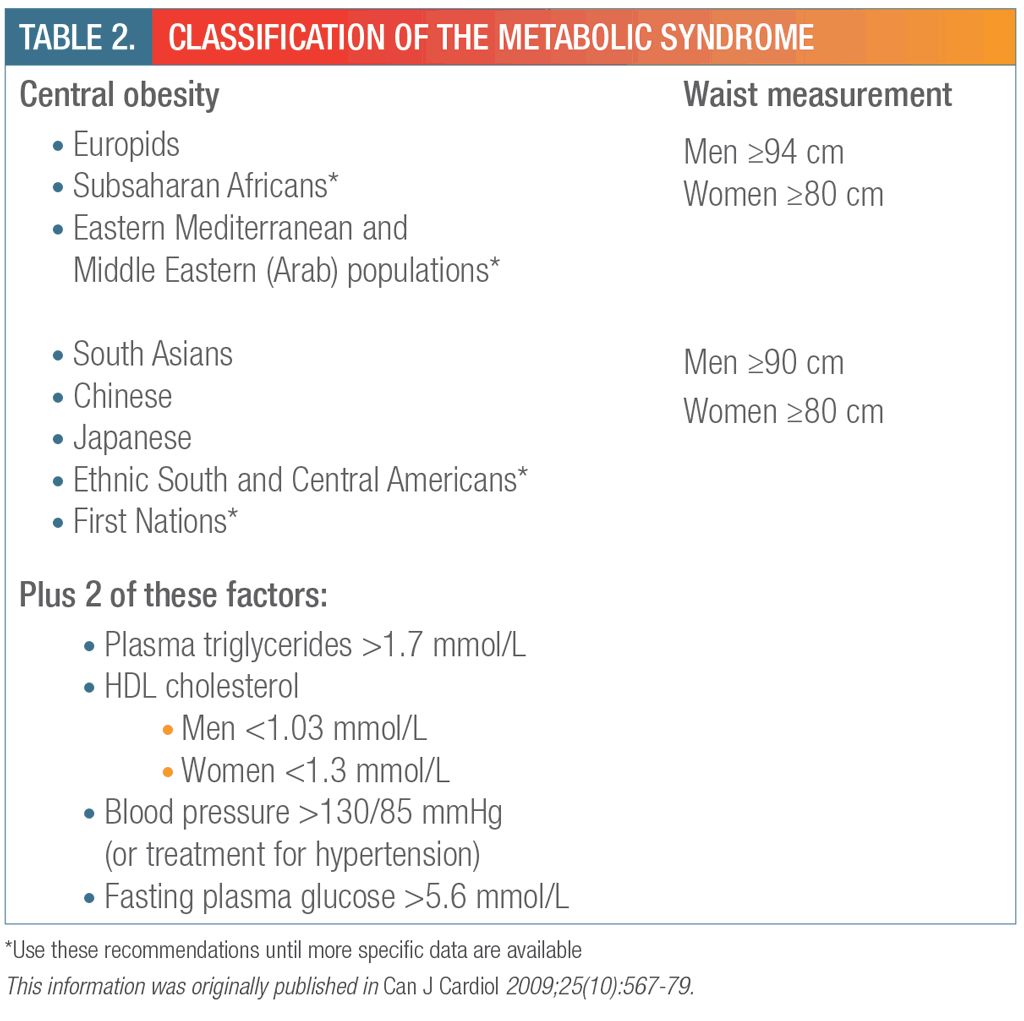
The guidelines emphasize the importance of genetic factors, including ethnic origin and family history of premature CVD, in decisions on the timing of screening and the determination of risk. Similarly, clinicians should take into account overweight/ obesity, especially abdominal obesity, and other features suggesting the metabolic syndrome (Table 2). Current data also suggest patients with inflammatory diseases require comprehensive assessment and treatment of traditional CV risk factors, as do patients with HIV (notably those who are receiving highly active antiretroviral therapies [HAART], which may accelerate atherosclerosis).
Table 1.
TABLE 1. CANDIDATES FOR CVD SCREENING
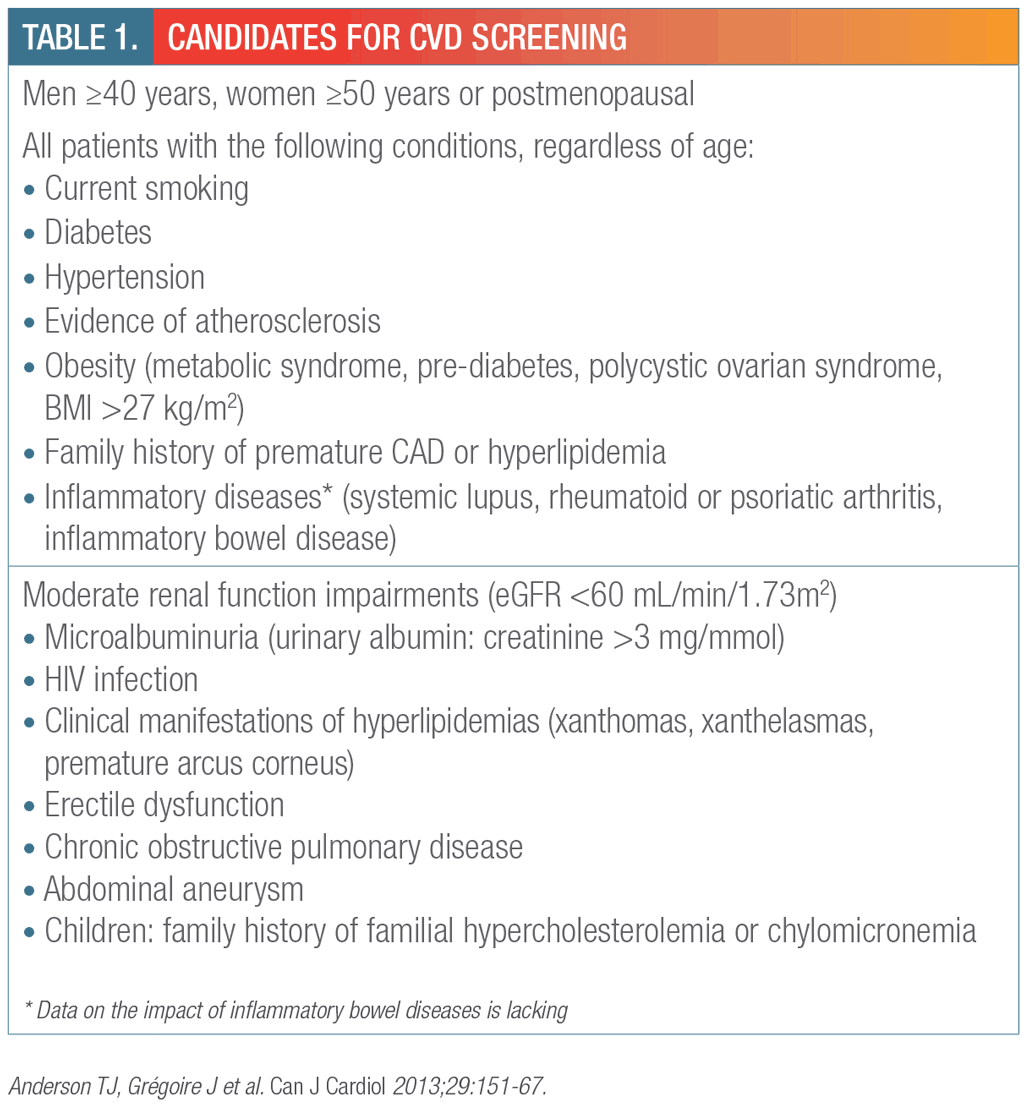
Table 2.
TABLE 2. CLASSIFICATION OF THE METABOLIC SYNDROME
CARDIOVASCULAR RISK ASSESSMENT
CARDIOVASCULAR RISK ASSESSMENT
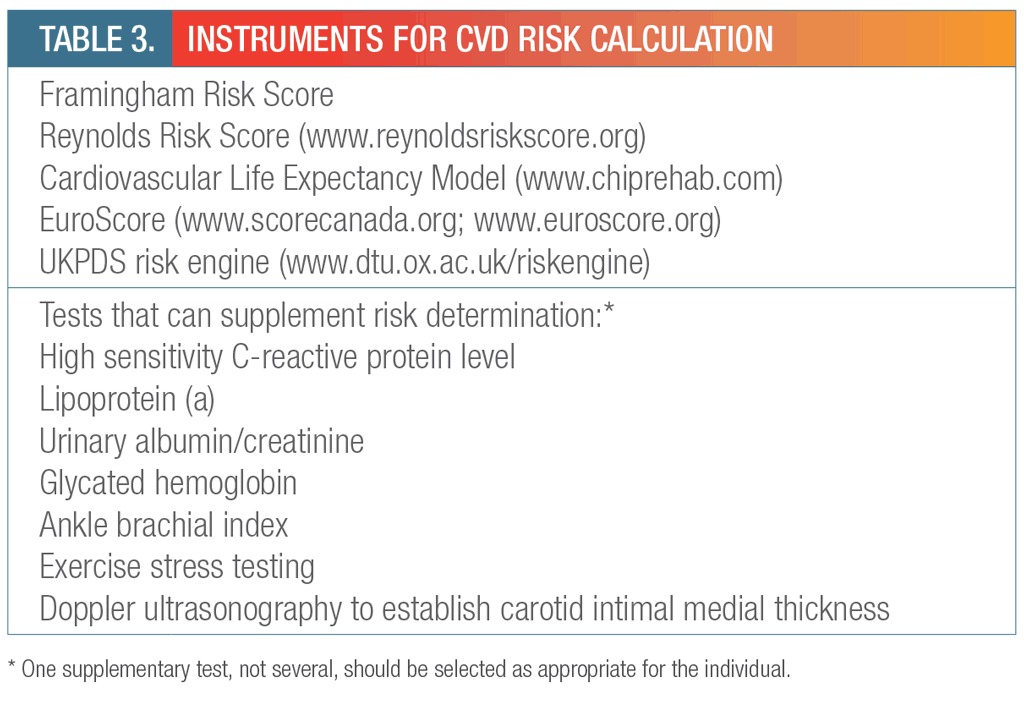
The use of the Framingham Risk Score (FRS) is recommended every 3 to 5 years or when the patient's expected risk status changes. Note that it may underestimate risk in the young (family history increases risk 1.7- to 2.0-fold), women, and possibly patients with metabolic syndrome. The percent risk should be doubled when family history of premature CVD is positive (i.e., 1st-degree relative <55 years for men; <65 years for women). Other instruments (Table 3) may be employed for further risk stratification.
When the patient is a young individual with >1 risk factor for premature CVD, a risk assessment and discussion of "cardiovascular age" may motivate them to improve their lifestyle and reach lipid and blood pressure targets.
Subjects are considered at high CVD risk if they have any of the following:
- A calculated FRS >20% 10-year risk of CVD
- Evidence of atherosclerosis – documented CAD by invasive or noninvasive testing, coronary angiography, nuclear imaging, stress echocardiography, prior myocardial infarction, coronary revascularization (PCI, CABG), and other arterial revascularization procedures, CVA, including TIA, evidence of carotid disease or peripheral vascular disease
- Diabetes (age >40 or >30 with diabetes of >15 years' duration)
- Abdominal aortic aneurysm, high-risk kidney disease or high risk hypertension
Subjects are considered at intermediate risk when their 10-year FRS is 10 to 19%. Secondary risk measurement and consideration of lipid targets other than LDL-C are recommended in patients who are at intermediate risk on the FRS and who have LDL-C < 3.5 mmol/L. Solid clinical trial evidence indicates that statin therapy can benefit such individuals.
An FRS of <10% indicates low risk. Family history of premature coronary events and/or the presence of additional risk factors may indicate the need for intervention in selected individuals.
Further assessment: The following tests may also be employed to further delineate the CVD risk in individual patients:
- Measurement of biomarkers including lipoprotein (a), high-sensitivity C-reactive protein, glycated hemoglobin
- An ankle brachial index <0.90 suggests peripheral vascular disease and a high likelihood of concomitant CVD
- A positive exercise stress test in an asymptomatic man aged >40 is highly predictive of CAD and future cardiovascular events, although the test has much less value in patients in whom the pre-test probability is low and a negative stress test has a low negative predictive value
- In patients aged >50, carotid intimal medial thickness (IMT) >75th percentile for age, sex and ethnic background or >1 mm increases CAD risk up to five-fold
- A coronary artery calcium level of zero, quantified by electron beamcomputed tomography or coronary angiography, helps rule out significant coronary atherosclerosis and the development of coronary events
Many subjects whose 10-year risk of CVD is considered low or intermediate may actually be deemed at high risk for the longer term, given the cumulative effects of individual risk factors and/or changes in risk factors over time. A patient's risk for CVD should be reassessed every 3 years.
Table 3.
TABLE 3. INSTRUMENTS FOR CVD RISK CALCULATION
MANAGEMENT
MANAGEMENT
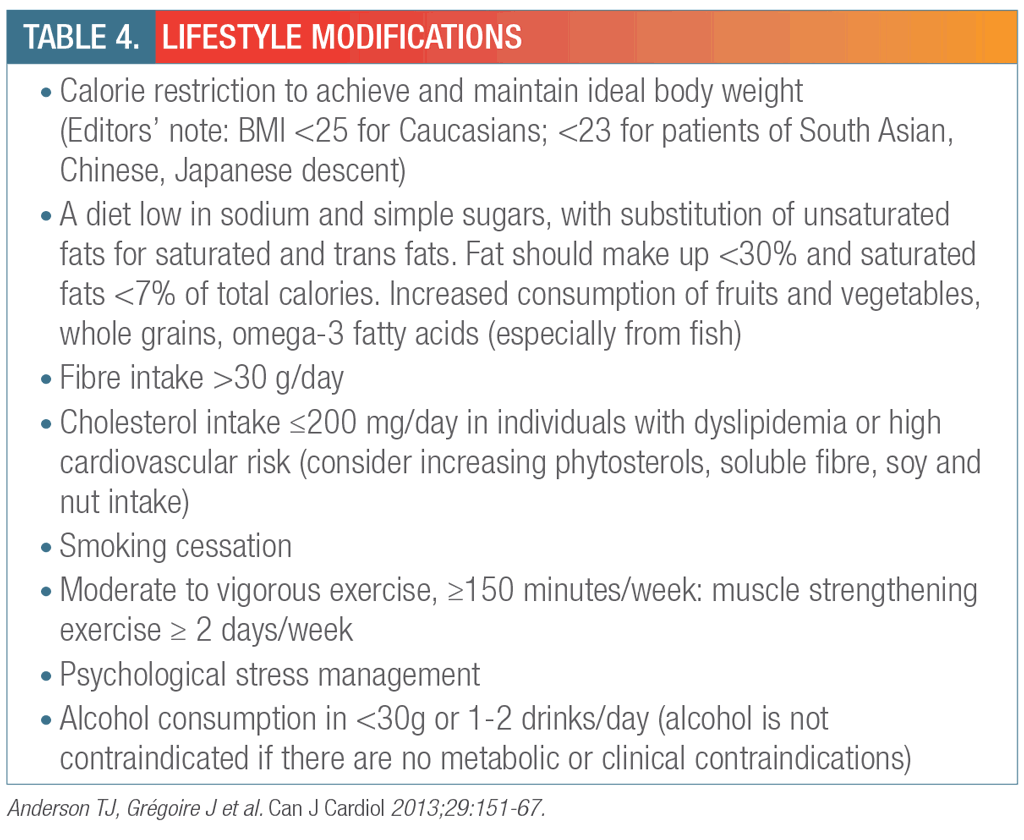
Lifestyle modification remains the cornerstone of CVD risk reduction. Nonpharmacologic measures should also be applied for the prevention of other chronic diseases, including type 2 diabetes, atherosclerosis, cancer, and neurodegenerative diseases. Table 4 lists the fundamentals for risk reduction via lifestyle changes.
Table 4.
TABLE 4. LIFESTYLE MODIFICATIONS
Pharmacologic therapy should generally be initiated immediately in high-risk individuals, at the same time as diet and lifestyle modifications.
In patients at intermediate risk, pharmacologic therapy should be considered if a trial of lifestyle modification has not achieved the recommended lipid goal, that is, if their
- LDL-C is >3.5 mmol/L (apo B >1.2 g/L),
- TC/HDL-C ratio is >5.0, or non-HDL-C >4.3 mmol/L
Table 5 summarizes the treatment targets by risk category. For both high- and intermediate-risk individuals, the primary target of therapy is to achieve an LDL-C of ≤2.0 mmol/L, an apo B ≤0.8 g/L, non-HDL-C ≤2.6 mmol/L, or a >50% reduction in LDL-C from baseline values.
Table 5.
TABLE 5. TARGET LIPID LEVELS
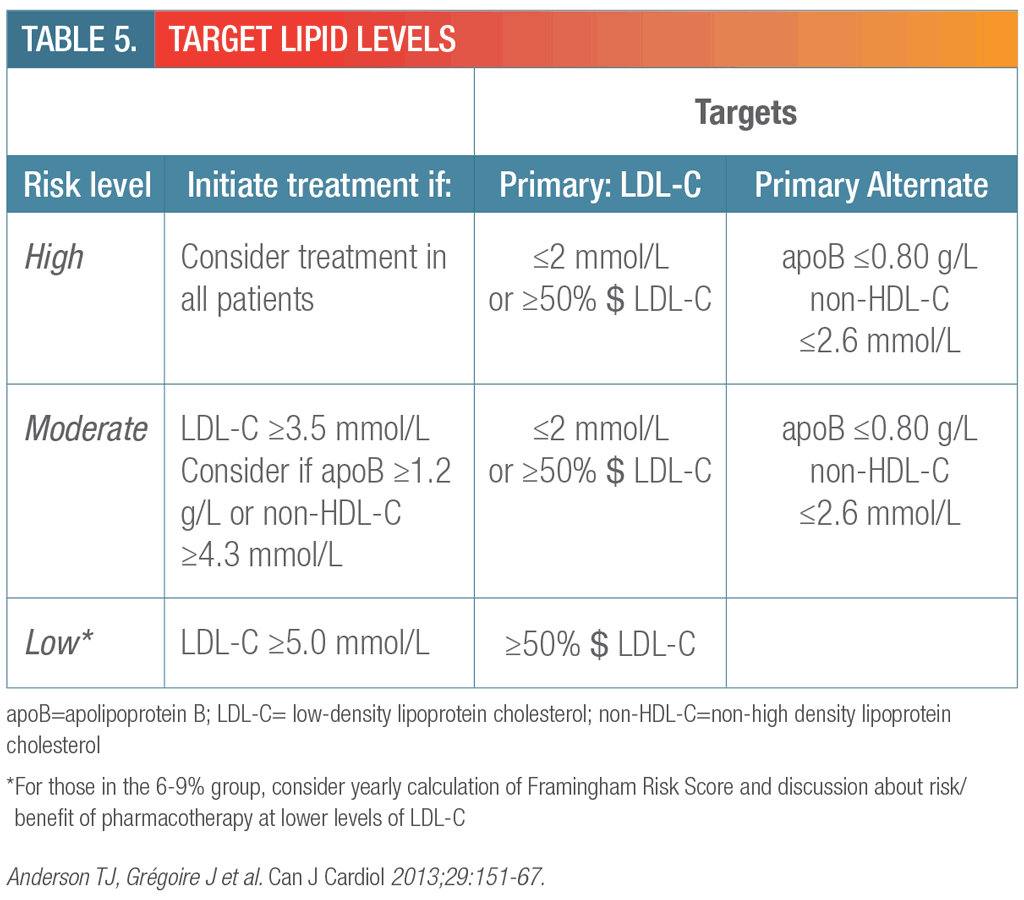
Even in patients at low CVD risk on the FRS, the clinician may deem that family history and/or the presence of additional risk factors indicate the need for intervention. For example, patients may benefit from lipid-modifying therapy if they have LDL-C >5.0 mmol/L (usually reflecting a genetic lipoprotein disorder). The goal is a 50% reduction in LDL-C.
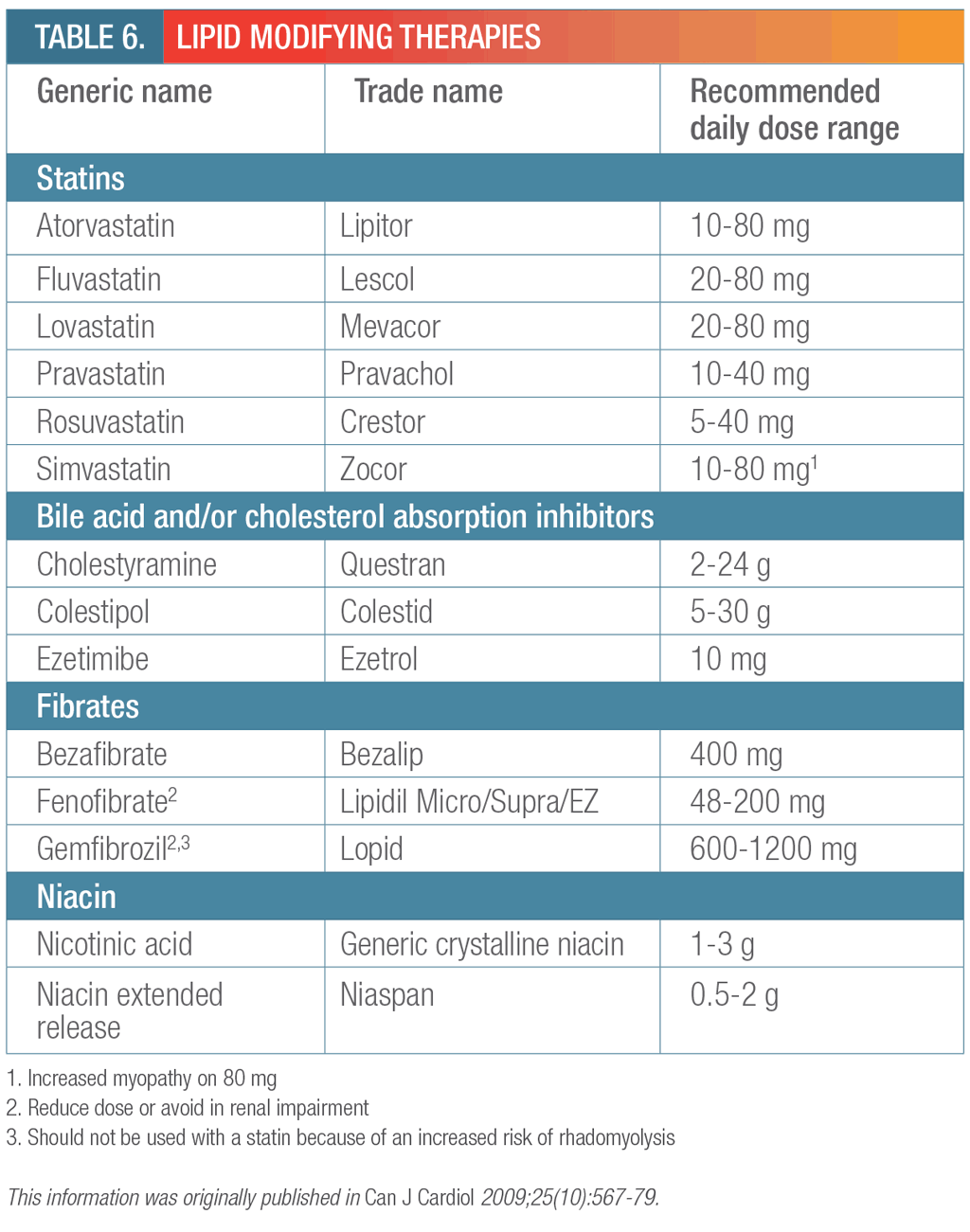
Most patients can achieve their treatment goals with a statin. However, some will require combination therapy including both a statin and an agent that inhibits cholesterol absorption (ezetimibe) or bile acid reabsorption (cholestyramine), or the concomitant use of a statin and niacin. Table 6 lists currently available therapies and their recommended dose ranges.
Before starting pharmacological therapy for dyslipidemia, the clinician should order a fasting baseline lipoprotein profile (total cholesterol, HDL-C and triglycerides). Ideally, the patient should refrain from eating for 10-12 hours and from consuming alcohol for 24-48 hours. If not performed earlier, a baseline fasting glucose level should also be obtained at this point to screen for impaired fasting glucose or diabetes. Testing for thyroid stimulating hormone (TSH) helps detect hypothyroidinduced hyperlipidemia. Measurement of transaminases (ALT and AST), creatinine, and creatine kinase is advised, so that any adverse effects associated with therapy can be identified. Follow-up measurements should be performed every 6 months, or after any change in lipid-lowering therapy, or if adverse effects are suspected. Further follow-up is not required if these tests have consistently normal results and the patient experiences no adverse symptoms.
Statins should not be withheld on the basis of a possible risk of new-onset diabetes mellitus emerging during long-term therapy. Symptoms that may be associated with statin use should be evaluated systematically, incorporating observation during cessation, re-initiation (same or different statin, same or lower potency, same or decreased frequency of dosing) to identify a therapy tolerable for chronic use.
Patients who have unexplained atherosclerosis, severe dyslipidemia, genetic lipoprotein disorders, or whose condition is otherwise resistant to recommended treatments should be referred to a specialized lipid clinic.
Table 6.
TABLE 6. LIPID MODIFYING THERAPIES
CONCLUSION
CONCLUSION
The principal measures for the prevention of cardiovascular disease have not changed, but new evidence has allowed incorporation of additional factors into risk calculations and refinement of individual therapeutic measures and goals. In asymptomatic individuals, regular screening and reinforcement of a healthy lifestyle remain important.
Dyslipidemia and C-CHANGE
Dyslipidemia and C-CHANGE

DYSLIPIDEMIA AND C-CHANGE
Patients with cardiovascular disease risk factors, such as diabetes, hypertension, and dyslipidemia, are at significantly increased lifetime risk for macrovascular events such as stroke and myocardial infarction. Consequently, patients should have all of their risk factors treated to their risk appropriate treatment targets.
The C-CHANGE (Canadian Cardiovascular HArmonization of National Guidelines Endeavour) Collaboration suggests that all cardiovascular disease risk factors should be addressed. Ideally, all patients should be stratified with respect to the cardiovascular event risk and should be at or below all their cardiovascular disease risk factors treatment targets.
Without doubt, it may be easier to treat one cardiovascular disease risk factor to target in one patient versus another patient and not all patients will get below their treatment targets for all their risk factors. However, a concerted effort should be made to get most patients to or below most of their risk factors targets through a combination of heart healthy behaviours and pharmacological therapies. In reality, addressing all the cardiovascular disease risk factors present in any single patient and ensuring they are each treated, preferably to or below target, is likely to have a greater impact on patient outcomes than treating any single risk factor perfectly while the others remain untreated or significantly undertreated.
Please refer to the C-CHANGE section in this publication for additional information.
Full guidelines
Full guidelines
The preceding material is a summary of the 2009 and 2012 guidelines on dyslipidemia and CVD prevention. Clinicians are advised to consult the full guidelines (see Can J Cardiol 2009;25(10):567-79 and 2013;29:151-67) for more detailed information.